
Guide
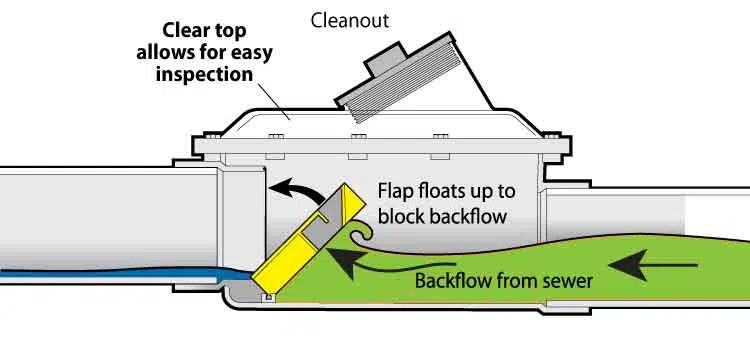
How Backwater Valves Work
Understand normal drainage, reverse flow, valve closure, fixture-use limits and why access and maintenance matter.
Learn before you install
Clear homeowner education connected to professional assessment, installation and maintenance.
Understand normal drainage, reverse flow, valve closure, fixture-use limits and why access and maintenance matter.
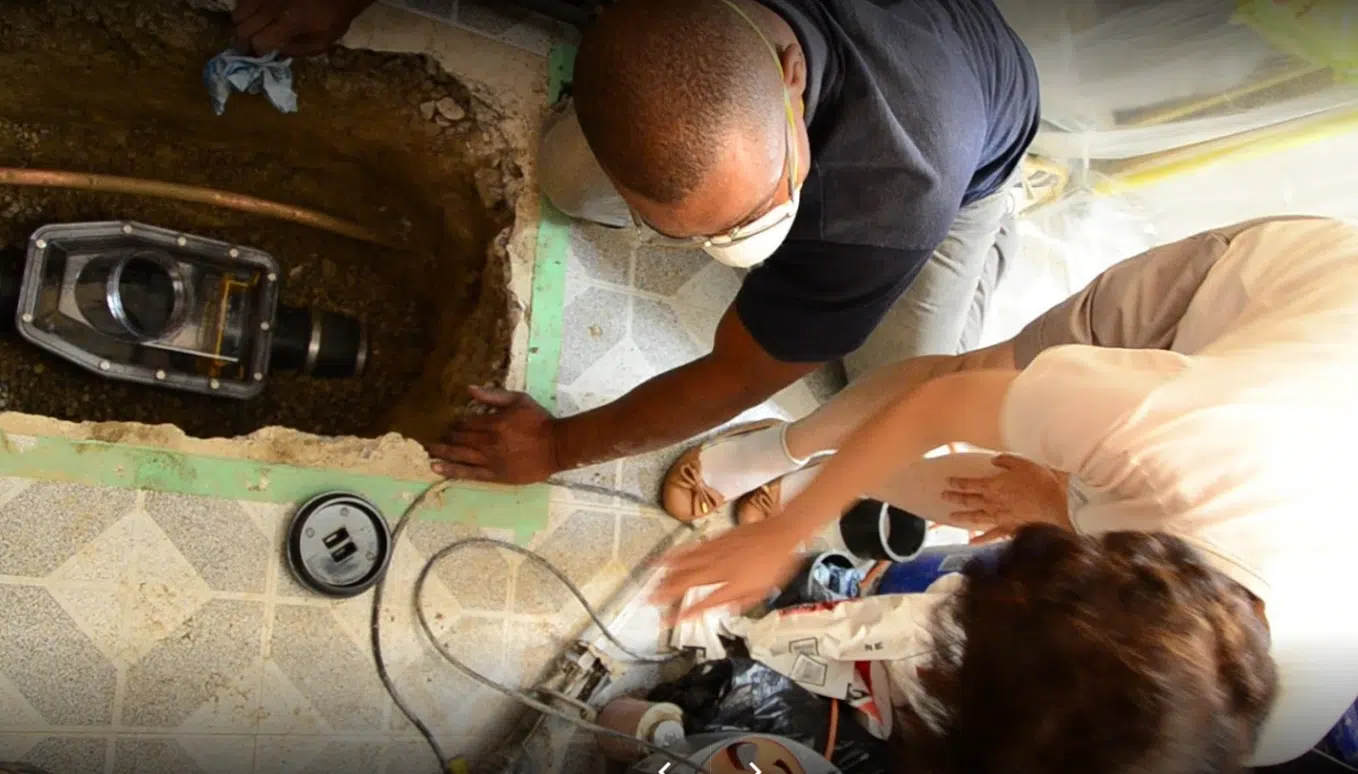
Compare installation access, excavation, maintenance, protected drainage and municipal programme rules.
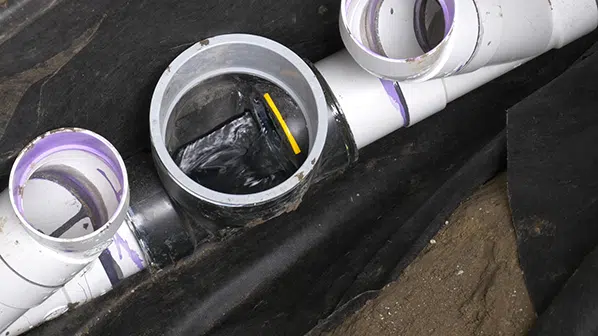
Use a safe inspection and maintenance routine before storm season and after suspected valve activation.
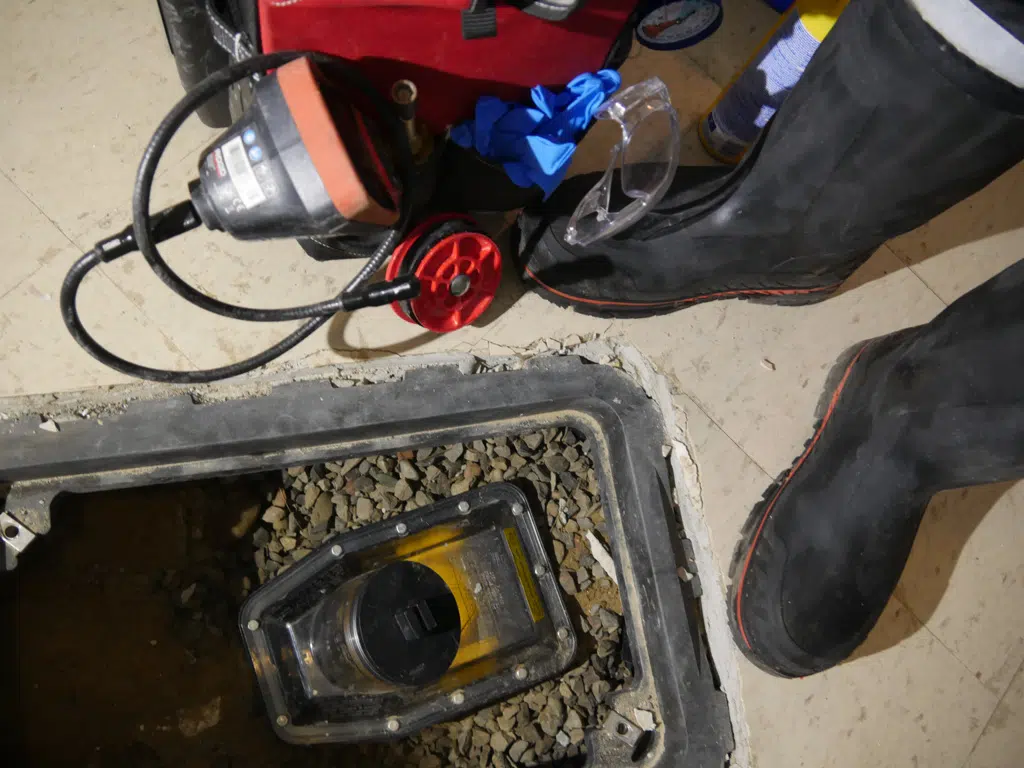
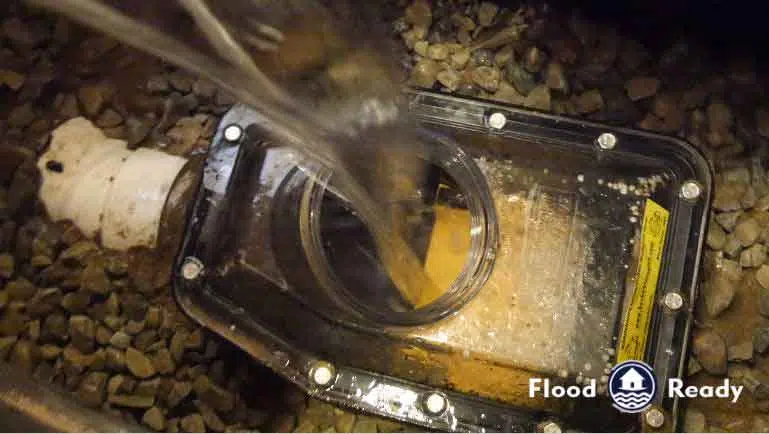
Learn why wastewater use may need to stop while a valve is protecting the drainage system.
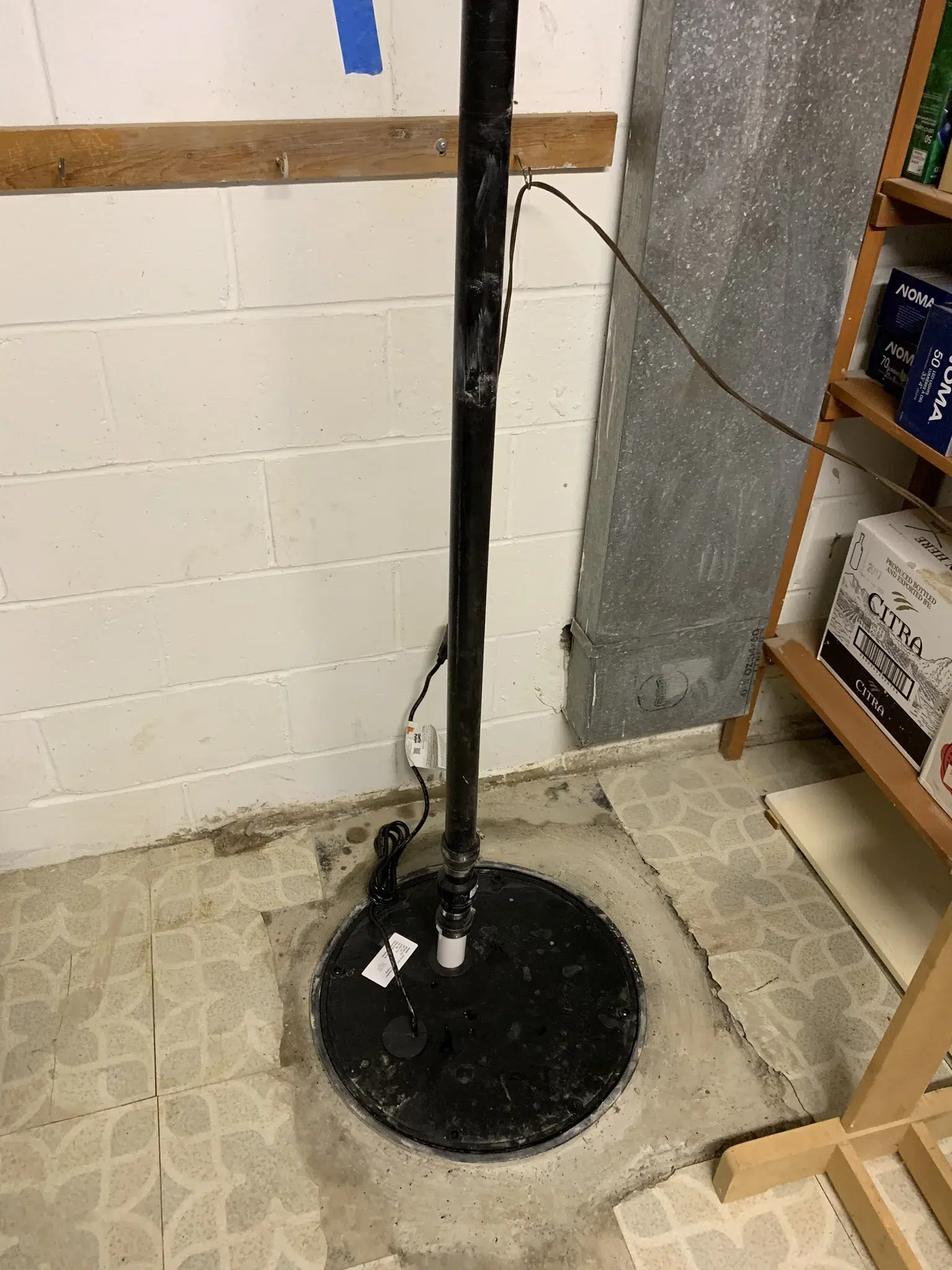
Review pits, pumps, discharge, check valves, alarms, electrical coordination and owner handover.
Plan routine observation, controlled testing, cleaning, alarm checks and replacement records.
Understand how pump duty, inflow, lift, temperature, battery size and age change runtime.
Compare automatic response, runtime, fuel, transfer, maintenance and outage planning.
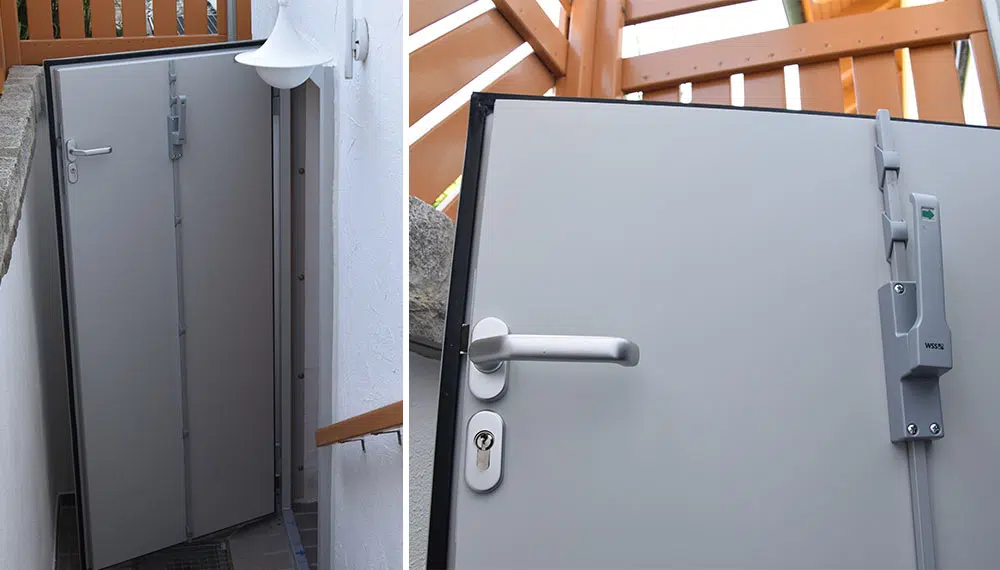
Compare permanent readiness with deployable systems, storage, access and expected water depth.
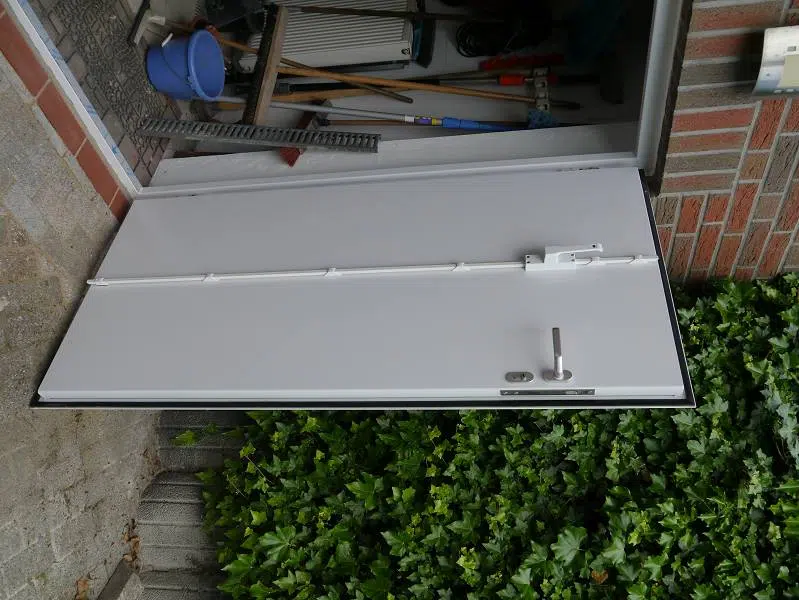
Review grading, drains, thresholds, barriers, pumps and safe egress at below-grade entrances.
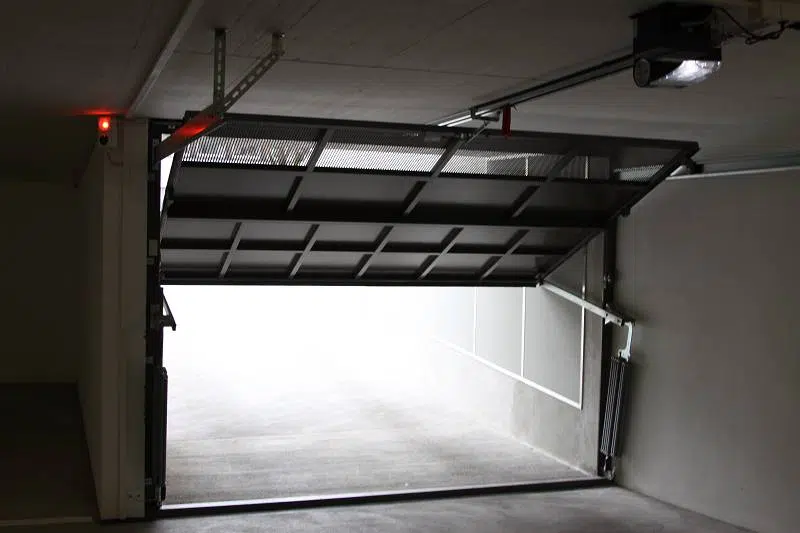
Understand opening width, floor slope, water pressure, door systems, deployment and drainage behind the barrier.
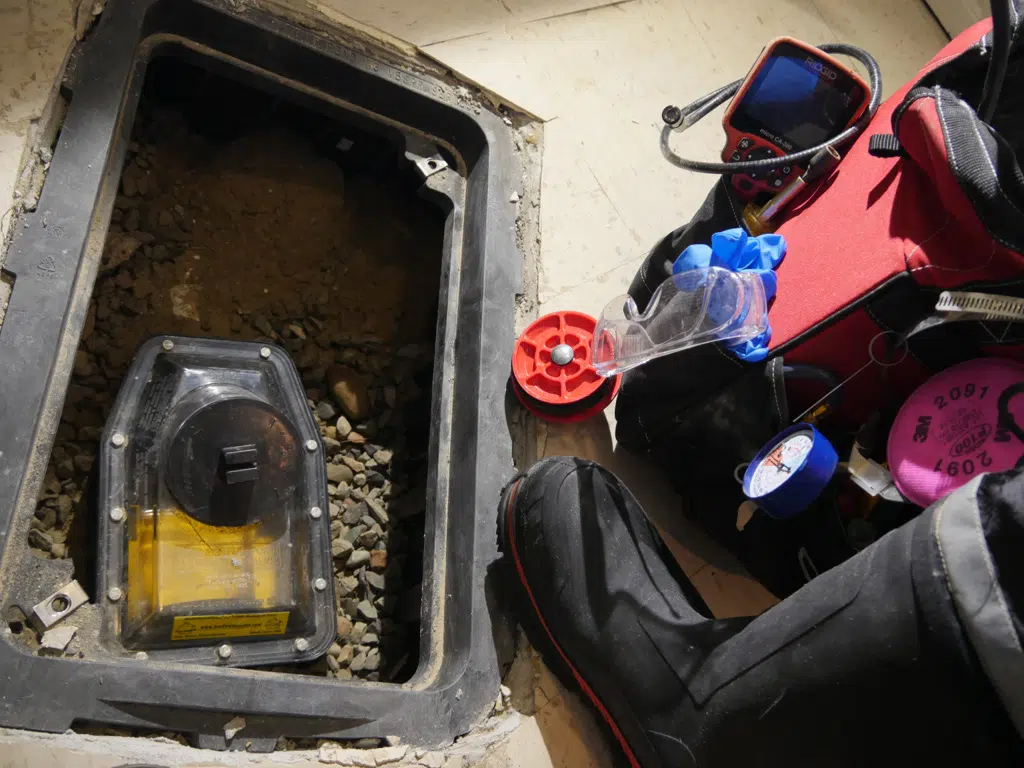
Slow drains, gurgling, odours and water at floor drains can justify prompt inspection.
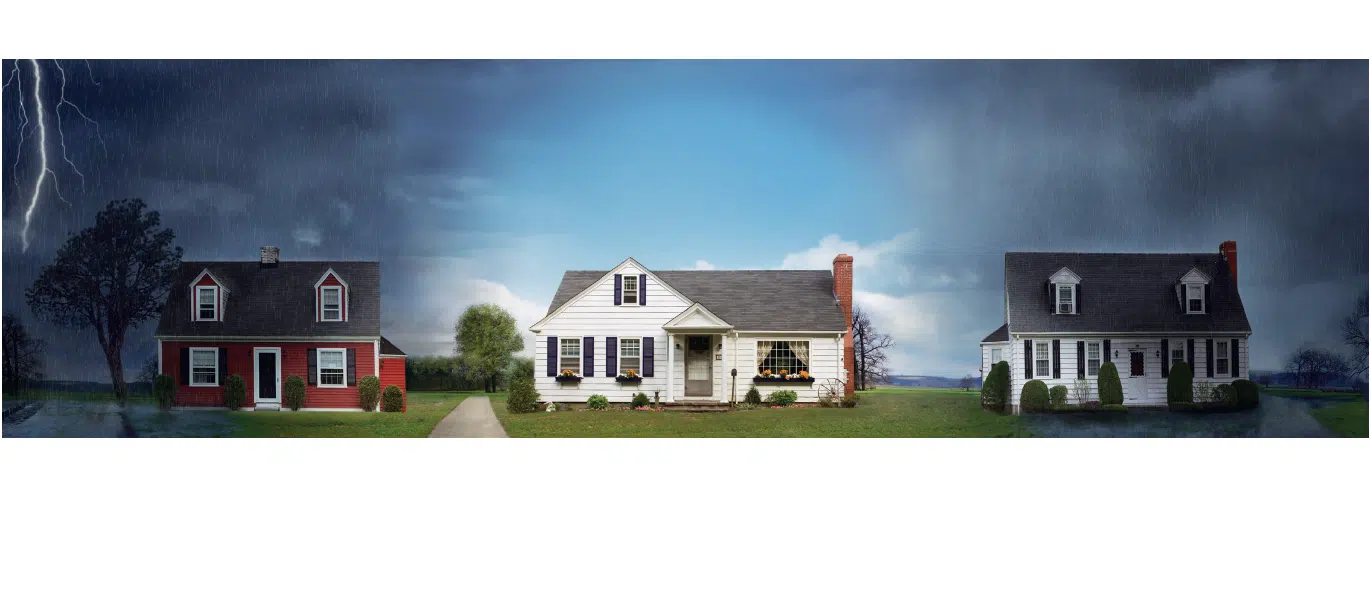
Separate sewer backup, foundation drainage, groundwater, surface runoff and opening failures.
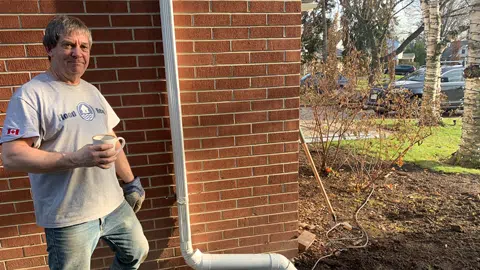
Check drainage, pumps, backup power, alarms, barriers, records and emergency contacts.
Prepare flood history, equipment records, photos and questions for a more useful assessment.
Verify scope, qualifications, permits, inspections, maintenance, exclusions and project records.
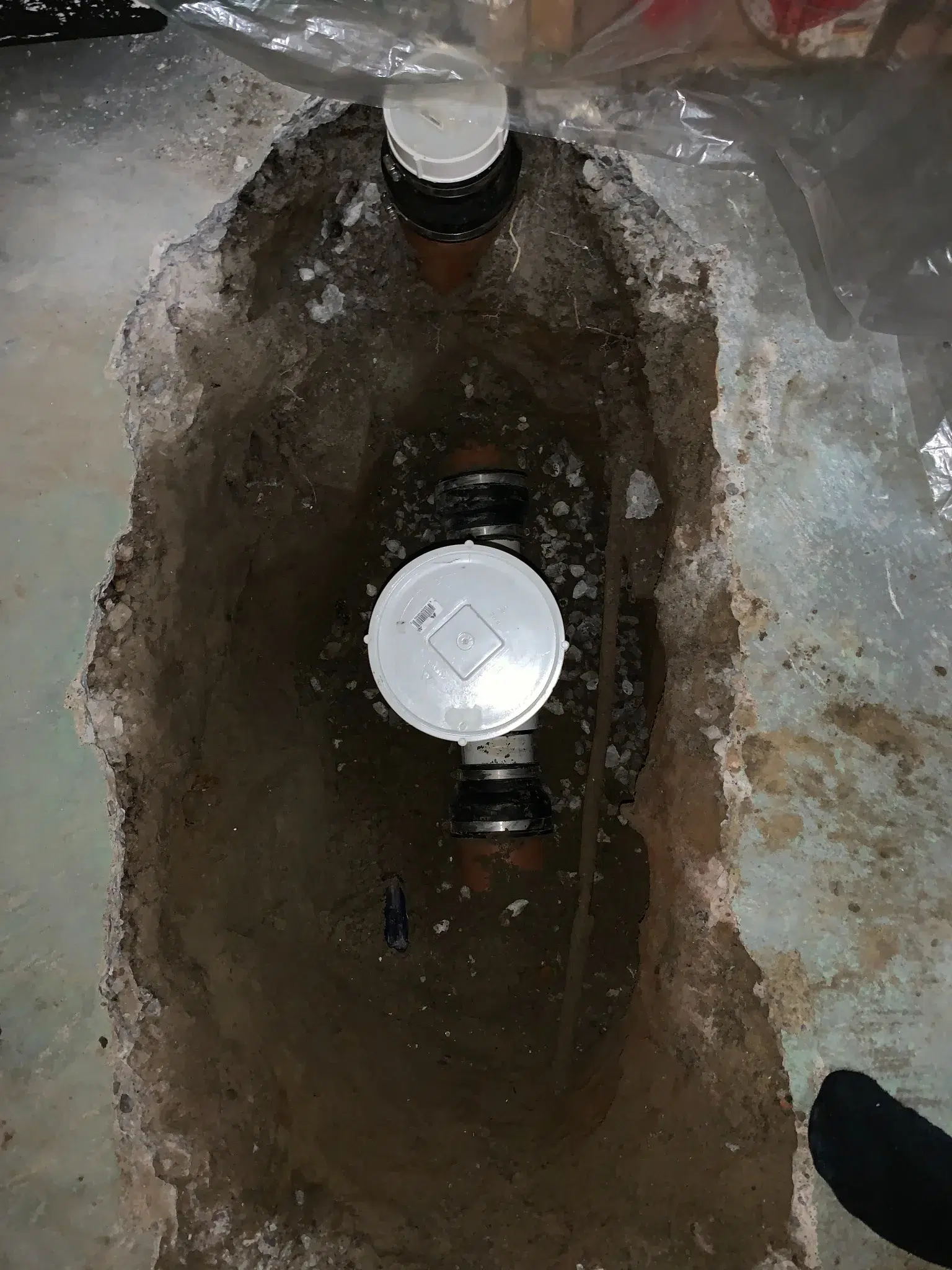
Understand why municipal permits, inspections and programme approval are separate but connected steps.
Organize pre-approval, permits, photos, invoices, certificates, proof of payment and application records.
Send the opening location, approximate width/height and a few photos. We’ll confirm whether an AquaLOCK permanent door, garage system, Quickwall or another flood-control measure is the right starting point.